

Month: January 2026
-
Culture Is Currency, If You Own It
Culture creates value. But value only benefits those who control it. When artists contribute to culture without ownership, others monetize their influence. Ownership ensures that creative contributions translate into long-term leverage, income, and legacy. Owning culture means owning masters, platforms, stories, and communities. It means controlling how narratives are told and how value is distributed.…
-
Building From Africa Without Needing Validation
For too long, success has been measured by external approval — charts, media recognition, or acceptance from Western institutions. But the global landscape has changed. Africa is not a starting point waiting for permission. It is a center of culture, creativity, and innovation. Artists building from Africa today are shaping global narratives, not reacting to…
-
Hip Hop as a Global Language
Hip Hop began as a local expression, but it became global because its core message was universal. Storytelling. Resistance. Identity. Creativity under pressure. Across continents, cultures adapted Hip Hop to reflect their own realities — not to imitate, but to translate. The result is a global language spoken through different accents, rhythms, and perspectives. Hip…
-
Consistency vs Inspiration: The Real Creative Discipline
Many artists wait for inspiration before they create. Professionals create first, and let inspiration follow. Consistency is not about forcing output. It’s about building a rhythm. A workflow. A relationship with the craft that doesn’t depend on mood. Inspiration comes and goes, but discipline creates momentum. The artists who last are not the most emotional…
-
Why Skill Still Matters in the Era of Virality
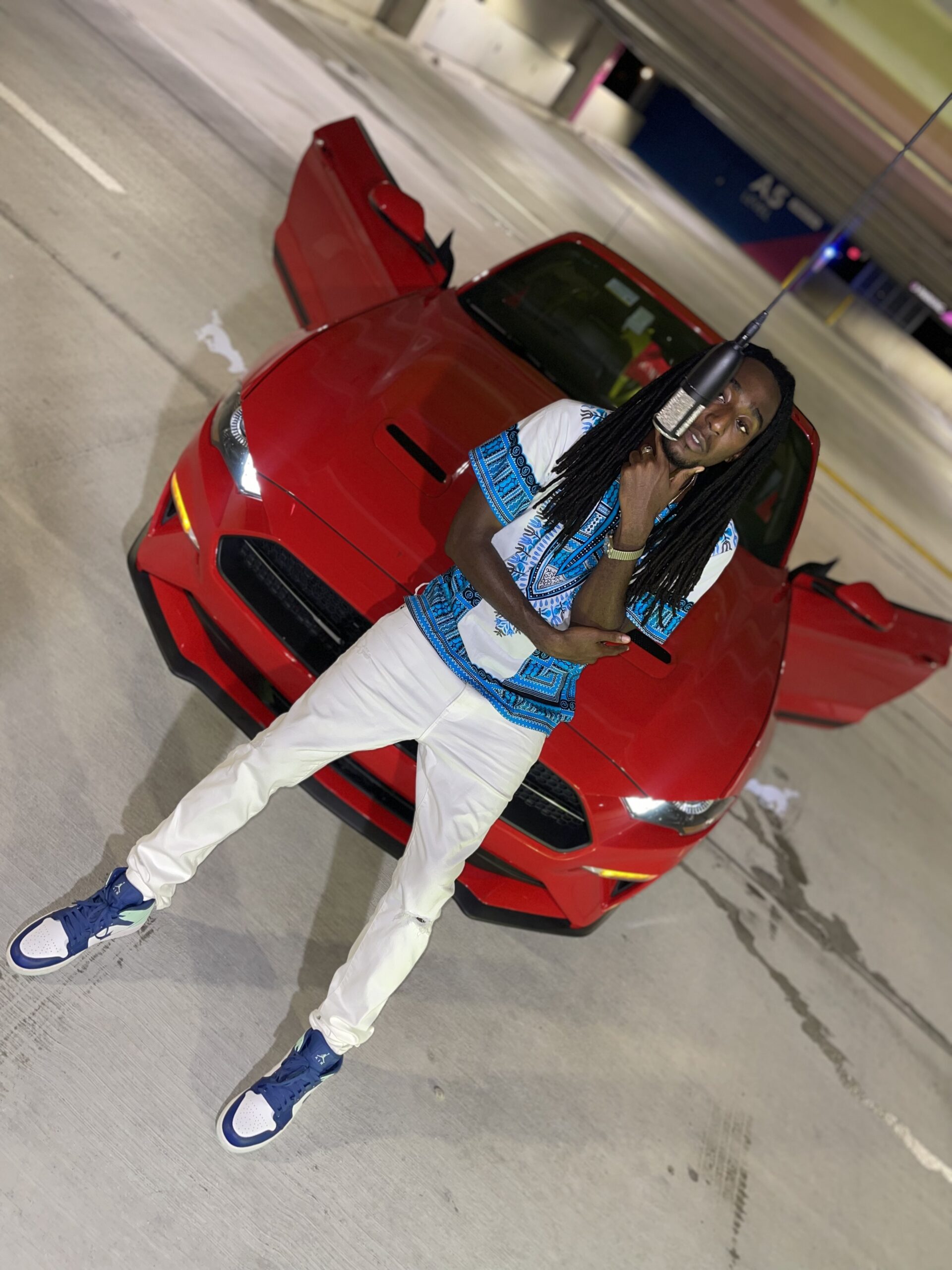
Virality can introduce an artist to the world. Skill determines whether they stay. Trends move fast, but mastery travels far. A skilled artist can adapt across sounds, formats, and platforms because the foundation is solid. Skill shows up in consistency, clarity, and confidence; even when the spotlight fades. Audiences may discover artists through short clips,…
-
Building Platforms Instead of Chasing Algorithms
Algorithms reward behavior, not intention. They change constantly, without notice, and without loyalty to creators. Artists who build their entire strategy around algorithms are always reacting. Posting more. Adjusting formats. Chasing trends. When the rules change, their momentum disappears. Building platforms is different. Platforms are owned spaces — websites, email lists, memberships, catalogs, and communities.…
-
Why Exposure Without Ownership Is a Trap
Exposure is often sold as opportunity. But exposure without ownership rarely leads to sustainability. When artists give away their music, data, or audience in exchange for visibility, they are trading long-term value for short-term attention. The problem is not exposure itself — it’s exposure that doesn’t convert into control, connection, or compensation. Streams don’t equal…
-

Why Independent Artists Must Think Like Asset Owners
Independence is often misunderstood. Many artists believe that releasing music on their own automatically makes them independent. In reality, independence is not about how you release — it’s about what you control. An asset owner understands that music has value beyond streams. Songs generate income through publishing, licensing, performances, sync opportunities, merchandise, and long-term catalog…
-
The Importance of Intellectual Property in Music Today
In today’s music industry, attention is often treated as the ultimate currency. Streams, views, and viral moments dominate the conversation. But beneath the surface, the real power has always lived elsewhere — in intellectual property. Music is not just content. It is an asset. When artists do not own their recordings, publishing, or platforms, they…
Search
Popular Posts
-
Common Questions About Music Licensing
What is a music license? A music license is written permission that allows someone to use copyrighted music under specific terms and conditions. Do I need permission to use music in my project? In most cases, yes. Using copyrighted music without permission may result in copyright claims, takedowns, or legal issues. Can I license music…
-
How Businesses Can License My Music
If you’re looking for original music for your business, campaign, event, or media project, licensing my music is a straightforward process. My catalog includes music suitable for promotional campaigns, online content, sports media, corporate presentations, documentaries, independent films, podcasts, and more. The licensing process generally follows these steps: Every project is unique, so licensing terms…
-
Why Instrumentals Matter
An instrumental version of a song removes the lead vocals while preserving the musical production. Although many listeners enjoy vocal versions, instrumentals play an important role in the music industry. Content creators often need music that complements spoken dialogue. Businesses may require background music for presentations, promotional videos, or events. Filmmakers and advertisers also prefer…