

Category: Culture & Diaspora
-
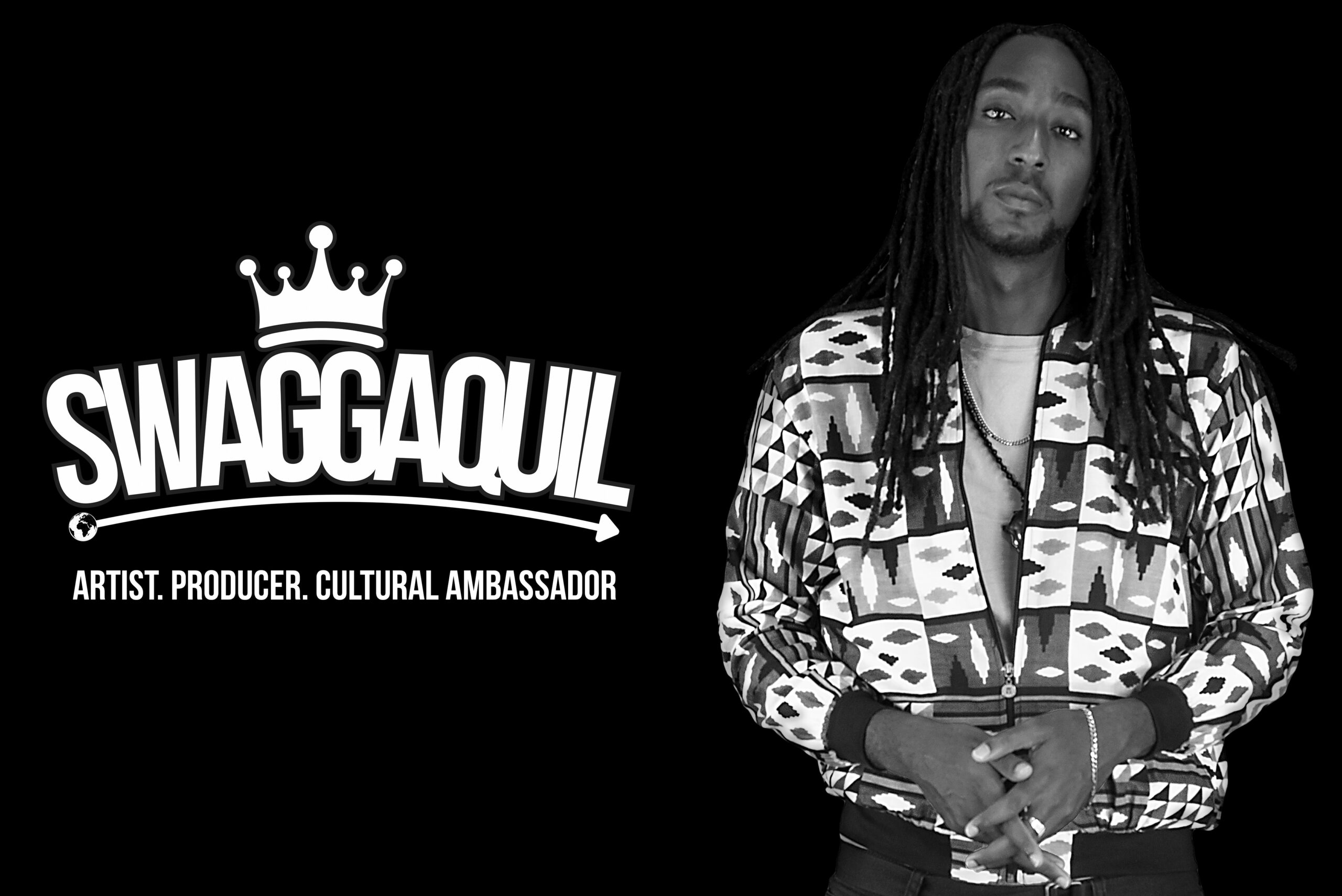
Afro-Diasporic Sound: Where Hip Hop and the Caribbean Connect
Hip Hop didn’t appear out of nowhere. Neither did Caribbean music. There’s a rhythm lineage. Call-and-response. Drum-based communication. Storytelling rooted in struggle and celebration. When you study the sound deeply, you realize something powerful: These genres are cousins. Caribbean music carries African rhythmic DNA. Hip Hop carries African rhythmic DNA. The drums traveled before we…
-
What It Means to Be a Cultural Ambassador in 2026
Being a cultural ambassador isn’t about aesthetics. It’s about responsibility. Culture isn’t a trend. It’s lived experience, history, and identity. In 2026, culture moves fast. Clips go viral. Symbols get borrowed. Narratives get distorted. So what does it mean to represent culture responsibly? It means: • Understanding the roots before promoting the sound • Speaking…
-
From Queens to Accra: What the Diaspora Taught Me About Identity
Being part of the diaspora means you’re never just one thing. I was born in Queens, New York. Raised in a Trinidadian household. Now living and building in Accra, Ghana. That journey changes how you see the world. It teaches you that culture isn’t a costume. It’s lived experience. In New York, Hip Hop was…
-
Music as Cultural Ambassadorship
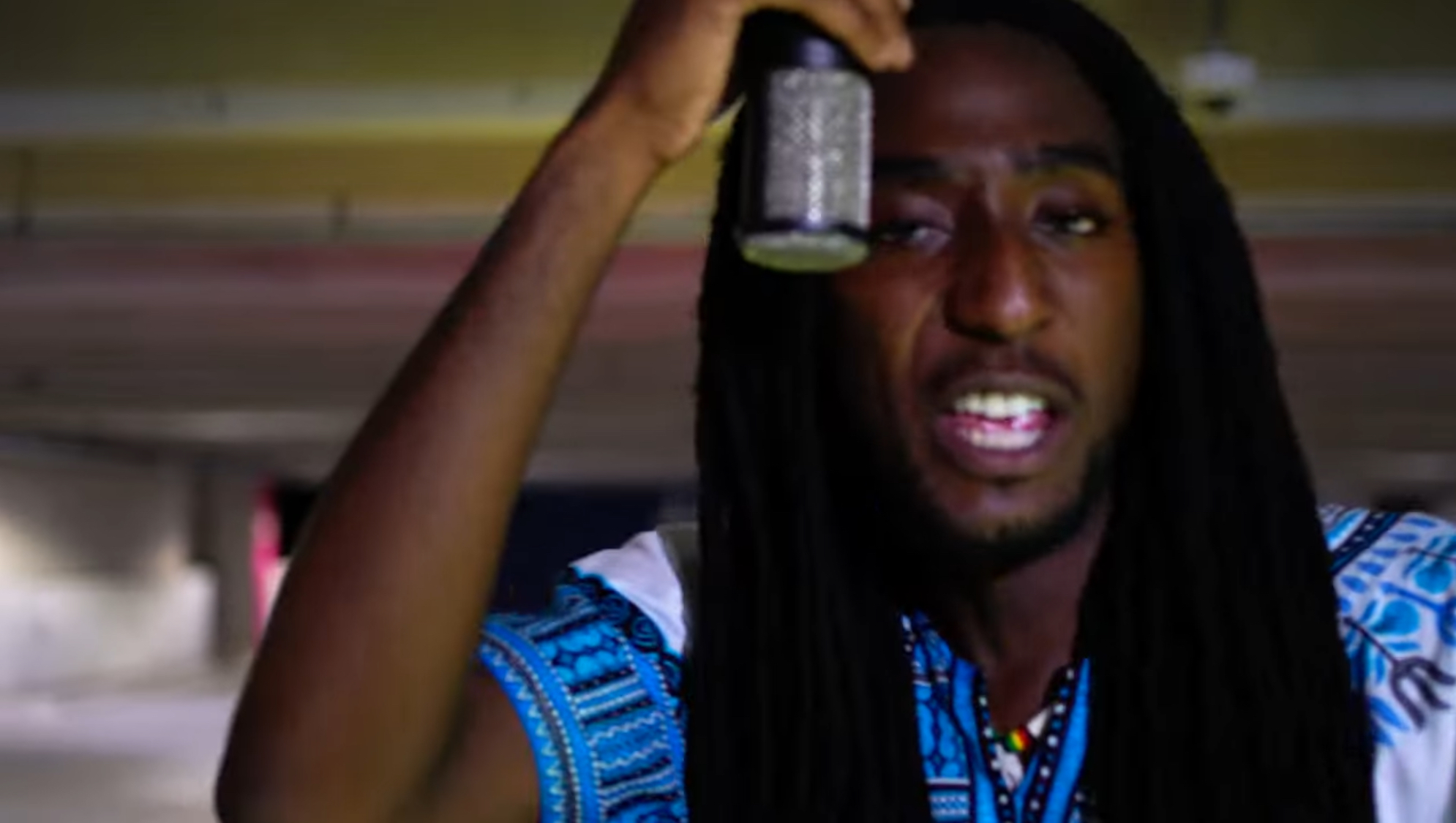
Music has always been more than entertainment. It is memory, resistance, celebration, and communication. As a cultural ambassador, Swaggaquil uses music to represent heritage, lived experience, and global Black culture. Every performance is a bridge between worlds — blending Caribbean roots, African energy, and modern hip-hop expression. Being a cultural ambassador means carrying stories responsibly.…
-
Culture Is Currency, If You Own It
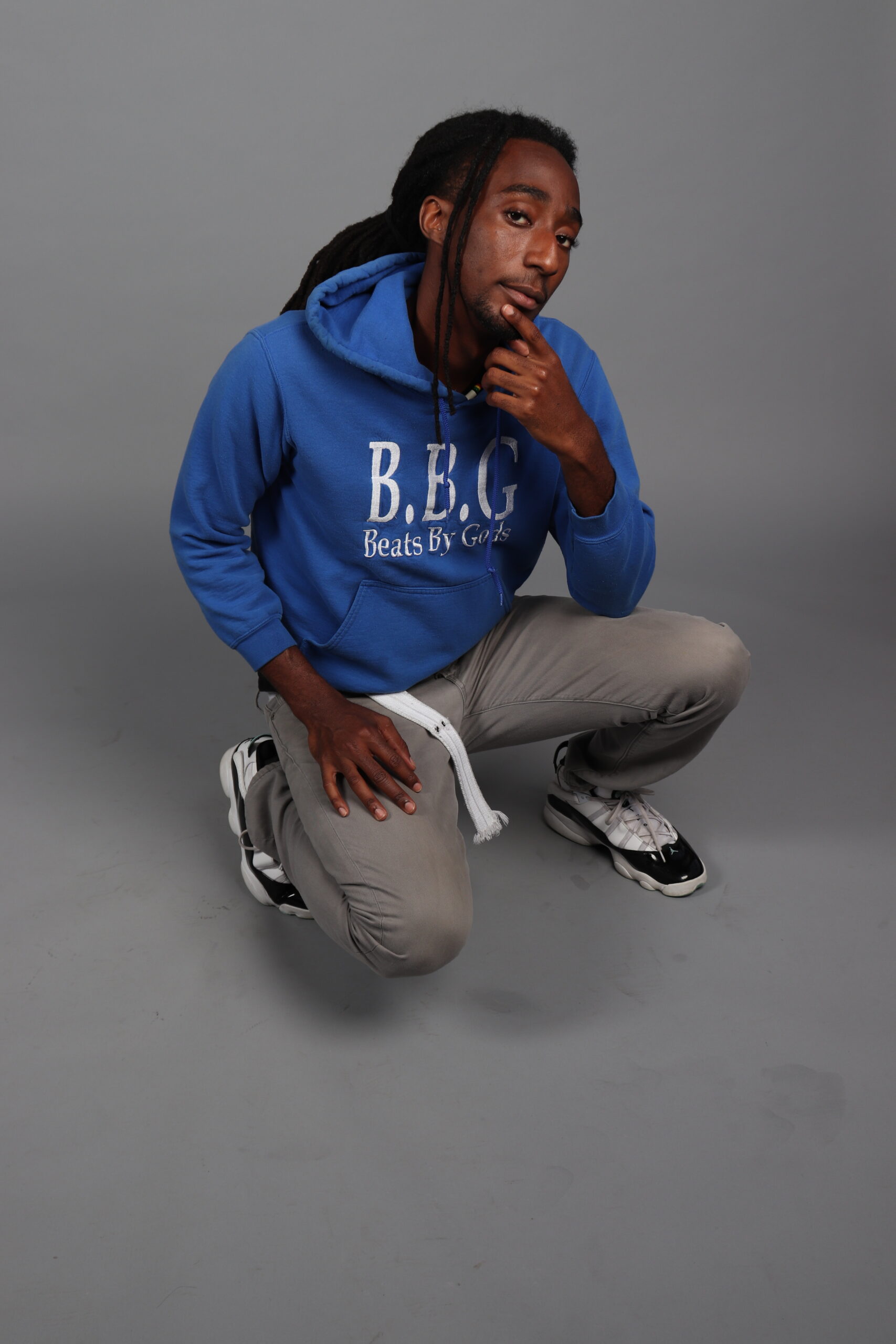
Culture creates value. But value only benefits those who control it. When artists contribute to culture without ownership, others monetize their influence. Ownership ensures that creative contributions translate into long-term leverage, income, and legacy. Owning culture means owning masters, platforms, stories, and communities. It means controlling how narratives are told and how value is distributed.…
-
Building From Africa Without Needing Validation
For too long, success has been measured by external approval — charts, media recognition, or acceptance from Western institutions. But the global landscape has changed. Africa is not a starting point waiting for permission. It is a center of culture, creativity, and innovation. Artists building from Africa today are shaping global narratives, not reacting to…
-
Hip Hop as a Global Language
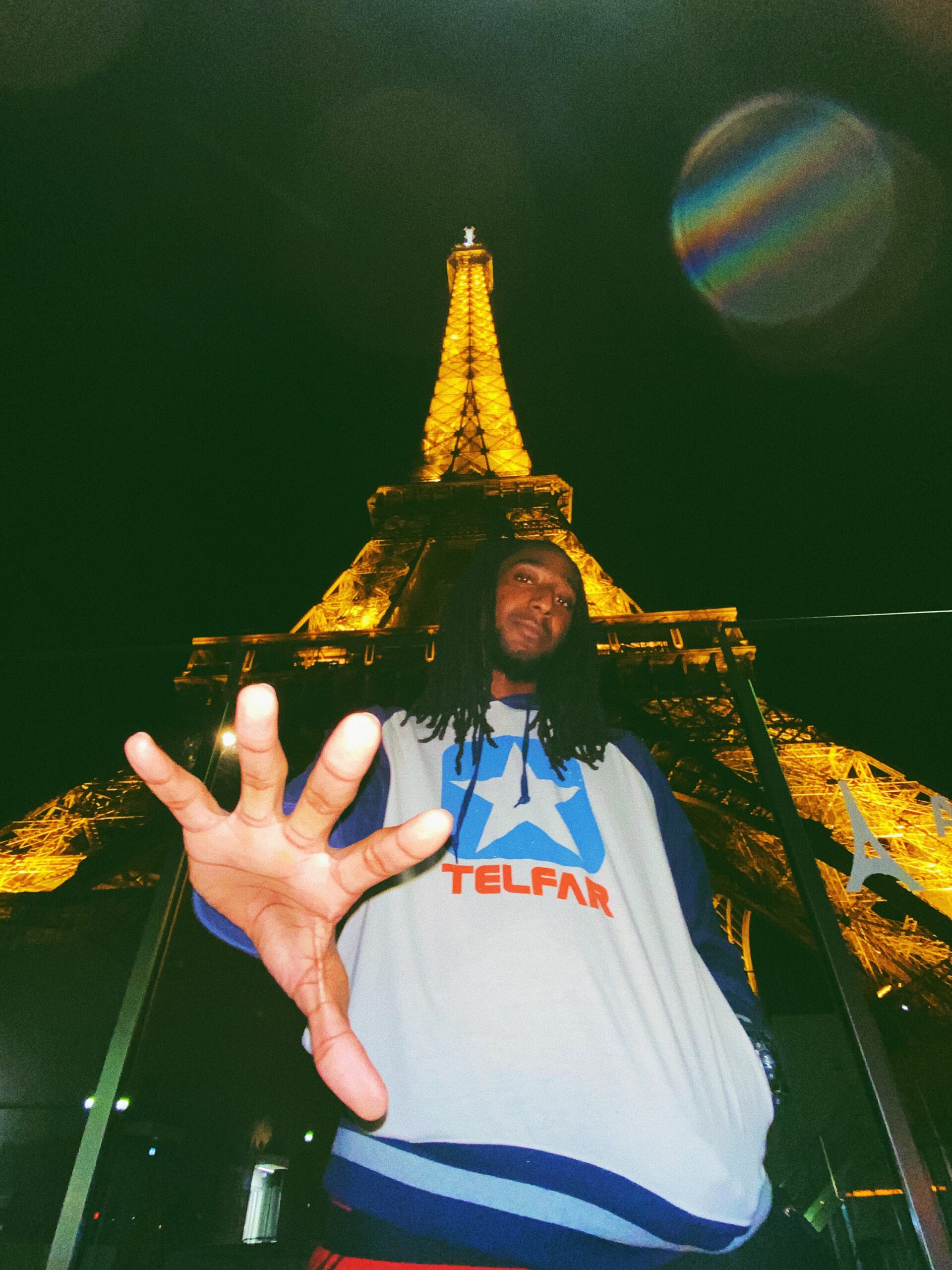
Hip Hop began as a local expression, but it became global because its core message was universal. Storytelling. Resistance. Identity. Creativity under pressure. Across continents, cultures adapted Hip Hop to reflect their own realities — not to imitate, but to translate. The result is a global language spoken through different accents, rhythms, and perspectives. Hip…
Search
Popular Posts
-
Common Questions About Music Licensing
What is a music license? A music license is written permission that allows someone to use copyrighted music under specific terms and conditions. Do I need permission to use music in my project? In most cases, yes. Using copyrighted music without permission may result in copyright claims, takedowns, or legal issues. Can I license music…
-
How Businesses Can License My Music
If you’re looking for original music for your business, campaign, event, or media project, licensing my music is a straightforward process. My catalog includes music suitable for promotional campaigns, online content, sports media, corporate presentations, documentaries, independent films, podcasts, and more. The licensing process generally follows these steps: Every project is unique, so licensing terms…
-
Why Instrumentals Matter
An instrumental version of a song removes the lead vocals while preserving the musical production. Although many listeners enjoy vocal versions, instrumentals play an important role in the music industry. Content creators often need music that complements spoken dialogue. Businesses may require background music for presentations, promotional videos, or events. Filmmakers and advertisers also prefer…